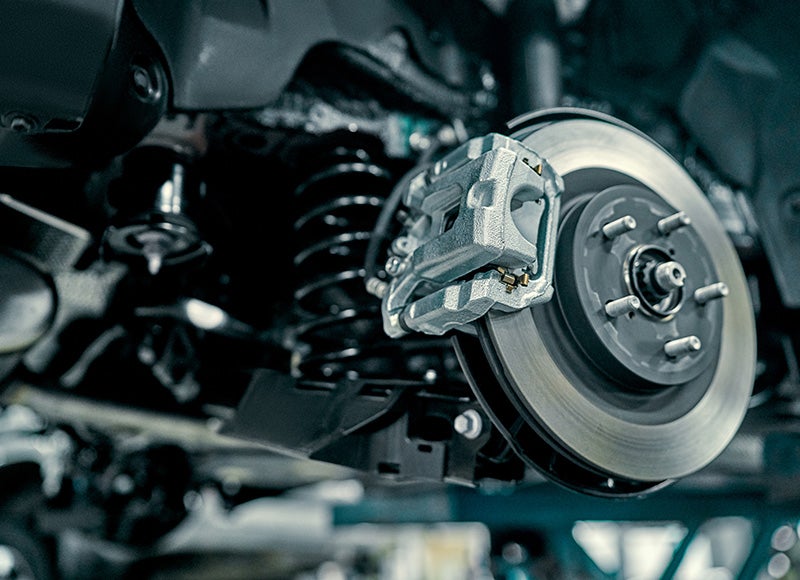



Why Are My Brakes Squealing? Common Causes, Warning Signs, and What to Do A high-pitched squealing noise when applying your brakes is something you should never ignore. While certain brake noises can occur temporarily due to moisture or surface conditions, persistent squealing may indicate worn brake pads, deteriorating components, or problems that require professional attention. Understanding the difference can help you recognize when your vehicle needs service before a minor concern develops into a more extensive repair. For Buick and GMC drivers in Eagle Pass, TX, brake maintenance is especially important when navigating busy intersections, traveling along US Highway 57 and US Highway 277, or making longer trips across South Texas. At Brown Buick GMC of Eagle Pass, our service team helps drivers identify brake-related concerns, understand their potential causes, and determine the appropriate next steps. What Causes Brakes to Squeal When You Stop? Brake squealing generally occurs when components within the braking system vibrate at a frequency that produces an audible, high-pitched sound. Although the noise may seem straightforward, several different conditions can produce similar symptoms. The timing, frequency, and accompanying sensations can provide important clues about the underlying cause. A brief squeak after overnight parking is different from a continuous squeal that becomes louder every time you apply the brakes. Likewise, a squealing sound accompanied by steering wheel vibration or reduced braking performance deserves more urgent attention. Common causes of squealing brakes include: Worn brake pads: Many brake pads feature metal wear indicators that produce a high -pitched noise when the friction material reaches a certain level of wear. Moisture and surface rust: Light corrosion can develop on brake rotors after exposure to rain, humidity, or overnight moisture, occasionally causing temporary noise. Brake dust and debris: Accumulated particles or material caught between braking components may contribute to squeaking or scraping sounds. Glazed brake pads or rotors: Excessive heat can alter friction surfaces and sometimes create noise or reduced braking effectiveness. Brake hardware problems: Worn clips, improperly fitted components, or insufficient lubrication at designated contact points may produce vibration and noise. Caliper issues: A sticking caliper or related hardware problem can prevent brake pads from moving or releasing correctly, contributing to uneven wear, heat, and unusual sounds. A squeal does not automatically mean the brake pads need replacement. However, squealing and chirping can be signs of brake wear, and the braking system should be inspected when these symptoms occur. How to Tell Whether Brake Squealing Is Temporary or a Sign of Wear Some brake noises occur under specific conditions and disappear once the components return to their normal operating state. For example, a vehicle parked overnight during humid weather may develop a thin layer of surface rust on the rotors. This can create temporary noise during initial braking. A squeak that disappears after the first few stops may be associated with surface conditions, but the sound alone cannot confirm its cause. Recurring noises, especially those that become more pronounced or occur during every stop, should be investigated. Pay attention to the following patterns: Squealing during the first few stops: Sometimes associated with moisture or light surface corrosion. Squealing every time you brake: May indicate brake pad wear, friction material issues, or hardware problems. Squealing without pressing the brake pedal: Could involve a brake wear indicator, dragging brake component, or another wheel-related issue. Squealing that increases with brake pressure: May suggest friction-surface or component problems requiring inspection. Noise after recent brake service: Can result from several factors, including bedding-in characteristics, component fitment, or hardware concerns. Newly installed brakes can occasionally produce noise, but persistent squealing should not automatically be dismissed as normal. If the sound continues after service, contact the repair facility for an evaluation. Other Brake Warning Signs That May Appear Alongside Squealing Brake noise becomes more concerning when accompanied by changes in how the vehicle stops, handles, or responds to pedal pressure. These additional symptoms may indicate problems involving the brake pads, rotors, calipers, hydraulic system, or related components. Grinding, vibration, pulling during braking, and changes in stopping behavior are additional warning signs that the braking system may require professional attention. Grinding or Scraping Noises When Braking A grinding sound is generally more concerning than a light squeak. It may indicate severely worn friction material, contact between metal components, trapped debris, or another mechanical problem. Continuing to drive with a grinding brake system can damage components and may compromise braking performance. If you hear grinding while braking, stop in a safe location and arrange prompt professional assistance. Towing is advisable if the vehicle's braking condition is uncertain. Steering Wheel Shaking or Brake Pedal Vibration A steering wheel that shakes when the brakes are applied can indicate uneven braking surfaces, rotor thickness variation, or other mechanical issues. Similarly, a brake pedal that pulses during ordinary braking may suggest that the brake system needs inspection. However, pulsation during hard braking can also occur when the anti-lock braking system activates as designed. The circumstances matter. Repeated vibration during routine stops should be evaluated rather than assumed to be normal. Vehicle Pulling to One Side When Braking If your Buick or GMC consistently pulls left or right during braking, one possible explanation is uneven braking force between the wheels. Potential causes include: A sticking brake caliper. Uneven brake pad wear. A hydraulic braking issue. Tire or suspension conditions affecting vehicle stability. Different friction characteristics between braking components. A vehicle that pulls significantly during braking can be difficult to control, particularly during emergency stops. Have the condition evaluated before further routine driving. Soft or Spongy Brake Pedal A brake pedal that feels unusually soft, sinks farther than normal, or requires repeated pumping can indicate a hydraulic system concern. Possible causes include brake fluid leaks, air in the hydraulic system, or problems with other braking components. A soft pedal, sudden loss of braking response, or pedal that sinks toward the floor requires immediate attention. Do not continue driving a vehicle with compromised braking performance. Stop safely and arrange towing or roadside assistance. Increased Stopping Distance If your vehicle takes noticeably longer to stop, the braking system may not be operating as intended. Reduced stopping performance can result from worn components, friction material problems, overheating, hydraulic issues, or other mechanical conditions. Drivers should not wait for a warning light before addressing changes in stopping distance. A noticeable reduction in braking effectiveness is enough reason to discontinue normal driving and arrange an inspection. Why Brake Pads and Rotors Often Cause Squealing Brake pads and rotors work together to create the friction needed to slow a vehicle. When the driver presses the brake pedal, the brake caliper applies pressure that brings the pads into contact with the rotating brake rotor. Over time, the pad's friction material wears down. Many brake pads contain a wear indicator designed to produce an audible warning when the material approaches its service limit. This sound can be especially noticeable during light braking because of how the components contact one another. Brake rotors can also contribute to unwanted noise when their surfaces become uneven, damaged, or affected by excessive heat. A thorough brake inspection may include examining: Remaining brake pad friction material. Rotor thickness and surface condition. Uneven wear between inner and outer pads. Caliper operation and brake hardware. Brake hoses and hydraulic lines. Brake fluid condition and visible leaks. Replacing only the brake pads may not resolve every brake noise. If the rotors or associated hardware are also contributing to the issue, additional service may be necessary. For this reason, identifying the underlying condition is more useful than replacing components based solely on the type of noise. Can Texas Heat and Driving Conditions Affect Brake Performance? Brake systems operate under substantial temperatures during normal use, and additional heat is generated whenever the vehicle slows through friction braking. South Texas driving can introduce conditions that influence brake wear, including stop-and-go traffic, frequent highway travel, dusty roads, heavy vehicle loads, and repeated braking. High ambient temperatures alone do not mean a braking system will fail. However, driving habits and vehicle operating conditions can influence how quickly components wear. Factors worth considering include: Frequent stopping: Repeated braking during urban travel can increase friction component wear. Heavy loads: Carrying additional cargo can place greater demands on braking components. Towing: Pulling a trailer can increase braking demands and requires attention to applicable vehicle and trailer ratings. Dust and road debris: Fine particles can collect around exposed braking components. Repeated hard braking: Can generate substantial heat and accelerate wear under certain conditions. Infrequent driving: Vehicles that remain parked for extended periods may experience surface corrosion or other service concerns. For drivers regularly traveling between Eagle Pass, Del Rio, and surrounding communities, monitoring brake performance is an important part of maintaining a vehicle used for both city and highway driving. What Should You Do When Your Brakes Start Squealing? If your brakes begin making an unfamiliar noise, the appropriate response depends on whether the vehicle's stopping performance has changed. A vehicle with a brief, isolated squeak and otherwise normal braking behavior presents a different situation from one with grinding, warning lights, or a soft pedal. Use these steps to assess the situation safely: Pay attention to when the noise occurs. Determine whether it happens during light braking, harder stops, or even when the pedal is released. Notice any accompanying symptoms. Changes in pedal firmness, steering stability, vibration, and stopping distance are particularly important. Check for brake warning messages. Some Buick and GMC vehicles have electronic systems that monitor aspects of brake performance or estimate brake pad life. Avoid unnecessary driving if the noise persists. Arrange a professional brake inspection rather than waiting for the condition to worsen. Stop driving if braking performance is compromised. Grinding combined with poor stopping ability, severe pulling, a soft pedal, or a braking system warning can indicate a serious concern. Park safely and seek professional assistance. Do not attempt repeated hard stops to eliminate brake noise. Brake testing or repair procedures should be performed by properly equipped personnel when a mechanical concern is suspected. How Often Should Buick and GMC Brakes Be Inspected? There is no single brake replacement interval that applies to every vehicle. Brake pad life depends on driving habits, vehicle weight, operating conditions, brake design, and the materials used. For example, a GMC Sierra regularly used for towing may experience different braking demands than a Buick Encore GX primarily driven for commuting. Even vehicles of the same model can have substantially different brake wear patterns. Brake components should be inspected as part of regular vehicle maintenance. Unusual squeaking, squealing, or changes in braking performance should be evaluated promptly rather than waiting for the next scheduled maintenance appointment. Brake maintenance should account for: Manufacturer-recommended inspection procedures. The vehicle's age, mileage, and maintenance history. Brake pad thickness and rotor condition. Driving habits and operating conditions. Towing frequency and typical cargo loads. Any unusual sounds, vibrations, or braking changes. Some equipped GM vehicles include a Brake Pad Life Monitor that estimates remaining pad life and displays related information through the vehicle's driver information system. This feature can provide useful maintenance information, but it does not replace a physical inspection when symptoms develop. What Happens During a Professional Brake Inspection? A professional brake inspection is intended to identify the cause of the symptoms before determining which repairs, if any, are necessary. Technicians may begin by reviewing the driver's description of the noise, including when it occurs and whether other symptoms are present. Depending on the concern, the inspection can involve checking braking components for wear, damage, improper operation, or signs of fluid leakage. A brake inspection may include: Measuring brake pad thickness. Examining rotor surfaces and measuring rotor thickness when appropriate. Checking calipers, slides, and related hardware. Inspecting brake hoses and lines for visible damage or leaks. Reviewing brake fluid condition and level. Checking applicable electronic braking warnings or diagnostic information. Evaluating the brake system's operation when a safe road test is appropriate. At Brown Buick GMC of Eagle Pass, our service team can evaluate reported brake symptoms and explain recommended maintenance or repair work based on the vehicle's condition. Whether you drive a Buick Enclave, GMC Terrain, Sierra 1500, or another model, accurate diagnosis is essential to determining the appropriate service. How to Help Reduce Premature Brake Wear Brake components are designed to wear gradually through normal use, but certain driving and maintenance habits can influence their service life. Smooth driving and regular inspections can help reduce unnecessary demands on the braking system. Consider these maintenance practices: Maintain appropriate following distance. Allowing sufficient space can reduce the need for sudden, hard braking. Avoid unnecessary heavy braking. Anticipating changing traffic conditions can help limit repeated high-temperature braking. Follow towing guidelines. Stay within the vehicle's applicable ratings and use properly functioning trailer brakes when required. Address unusual noises early. Prompt inspections may identify problems before additional components are affected. Follow scheduled maintenance recommendations. Regular evaluations help track component condition and identify developing concerns. Use compatible replacement components. Properly selected brake parts are important for correct system operation. Brake wear cannot be eliminated, and quieter brakes do not necessarily indicate healthier components. Regular inspections remain important even when no warning noises are present. Schedule Buick and GMC Brake Service in Eagle Pass, TX Squealing brakes may result from worn brake pads, temporary surface conditions, hardware problems, or other mechanical concerns. The sound itself is not a diagnosis, particularly when symptoms such as grinding, vibration, pulling, or changes in pedal response are also present. Recognizing these warning signs and addressing them promptly can help prevent avoidable component damage and maintain the braking performance your vehicle was designed to provide. At Brown Buick GMC of Eagle Pass, we help local drivers understand brake-related concerns through professional inspections and vehicle-specific maintenance recommendations. Whether your brakes have recently started squealing or you have noticed a change in stopping performance, our service department can help determine the appropriate next step. Contact our team to schedule a brake inspection or discuss the symptoms you have experienced while driving. Addressing concerns early is an important part of responsible vehicle ownership and maintaining dependable transportation throughout South Texas.