



Most vehicle components get a fair amount of attention. Tires are easy to see. Brakes announce themselves when they need service. Even oil changes have reminders attached to them. The battery tends to be different.
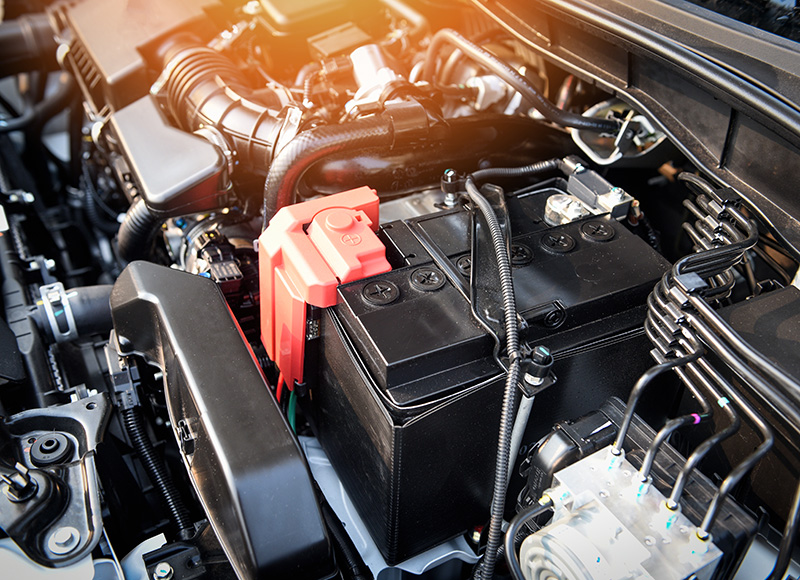
It sits quietly under the hood doing its job day after day until one morning the vehicle refuses to start. Suddenly, the most overlooked component becomes the most important one.
The Battery Is the Starting Point for Everything
At its simplest, a vehicle battery stores electrical energy and delivers it when needed. When you press the start button or turn the key, it sends a powerful burst of electricity to the starter motor. That initial surge is what brings the engine to life.
It also supports a variety of electrical systems when the engine is off, including interior lighting, security systems, memory settings, and other electronic functions. Without a healthy battery, even the most capable GMC truck or SUV is not going anywhere.
How a Battery Actually Works
Inside a conventional automotive battery are lead plates submerged in an electrolyte solution made primarily of sulfuric acid and water. Through a chemical reaction, it creates electrical energy that can be delivered throughout the vehicle. Once the engine is running, the alternator replenishes that energy and restores the battery’s charge.
It is an elegant system, but not a permanent one. Over time, the internal components gradually wear down, reducing the battery’s ability to hold and deliver a charge. Eventually, replacement becomes necessary.
The Warning Signs Are Usually There
One of the most common symptoms of a failing battery is slow engine cranking. If the engine hesitates before starting or seems less eager than usual, it may be struggling to provide adequate power. Many drivers notice this change days or even weeks before complete failure occurs.
Dashboard warning lights can also provide an early indication of charging system concerns. While a battery light does not always mean the battery itself has failed, it should never be ignored.
Electrical accessories often offer additional clues. Dim headlights, flickering interior lights, or inconsistent electronic performance may point toward a battery nearing the end of its service life.
What About Battery Corrosion?
Battery corrosion is another issue worth watching for. The white, blue, or greenish buildup sometimes seen around the terminals can interfere with electrical connections and reduce system performance. Corrosion does not automatically mean the battery requires replacement, but it does indicate that maintenance or inspection may be needed.
Keeping terminals clean helps ensure electricity flows efficiently between the battery and the vehicle’s electrical system.
Age Still Matters
Even when a battery appears to be functioning normally, age remains an important consideration. Most automotive batteries last somewhere between three and five years, though factors such as driving habits, usage patterns, and South Texas temperatures can influence lifespan significantly.
Heat is particularly hard on batteries. Prolonged exposure to high temperatures can accelerate internal wear and shorten service life compared to batteries operating in cooler climates. For many drivers, a simple test during routine maintenance is an easy way to avoid surprises.
Don’t Wait for a No-Start Situation
The challenge with battery failure is that it often arrives without much warning. A vehicle that starts perfectly today may refuse to cooperate tomorrow.
Routine inspections and testing can identify declining performance before it becomes a problem. Replacing a battery on your schedule is always preferable to replacing one in a parking lot or on the side of the road.
Keep Your GMC Ready for the Road Ahead
Your battery may not receive much attention during daily driving, but it plays a critical role every time you start your vehicle. Understanding the warning signs and addressing concerns early can help keep your GMC dependable year-round.
Drivers throughout Eagle Pass, TX can turn to Brown Buick GMC Eagle Pass for testing, replacement, and charging system inspections. If your battery is showing signs of age or your vehicle has become harder to start, now is a great time to have it checked and keep your GMC ready for the miles ahead.
Connect with us


