


Brown Buick GMC of Eagle Pass

Blog / Service

Oil Light On? Here's What to Do Next

GMC Oil Light On? This Is One Warning You Don't Drive Through

GMC Oil Light On? This Is One Warning You Don't Drive Through 

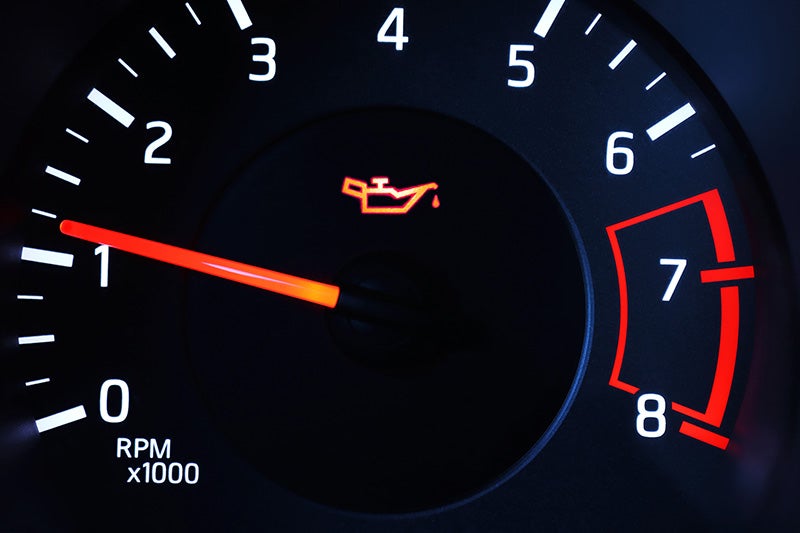
Dashboard warning lights vary enormously in urgency. Some tell you a system needs attention soon. An illuminated engine oil pressure warning is different. If it appears while you're driving your GMC Sierra, Yukon, or another model, the sensible response is to find a safe place to stop and switch off the engine. The warning can indicate insufficient oil pressure, and continuing to run an engine without adequate lubrication can cause serious damage surprisingly quickly. This isn't the time to see if the light disappears somewhere farther down the road around Eagle Pass. 

Stop the Engine Before Investigating the Problem 

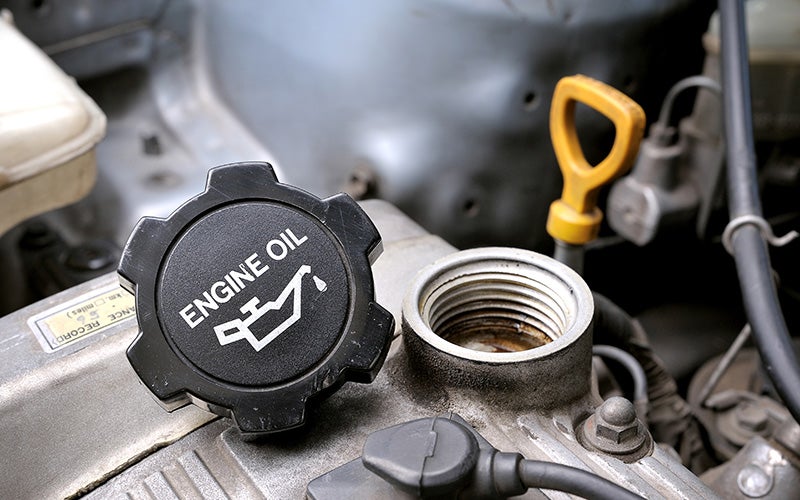
Once you're safely stopped, turn off the engine and allow it to sit for a few minutes before checking the oil level according to the procedure in your owner's manual. If the level is low, adding the correct oil may address the immediate shortage, but it doesn't explain why the oil level dropped. A leak, oil consumption, or another problem may require professional diagnosis. If the warning remains illuminated after the oil level has been corrected, don't continue driving. Contact our GMC service department for guidance and arrange towing when necessary rather than risking engine damage. 

Oil Level and Oil Pressure Aren't the Same Thing 

The engine can contain the correct quantity of oil and still have insufficient oil pressure. Oil needs to circulate through the engine to lubricate moving components, and a pressure problem can interrupt that process even when the dipstick indicates an acceptable level. If the warning appears but the oil level looks normal, the vehicle should be inspected promptly. GMC warning-light diagnosis and engine service can determine why the system is reporting low pressure. A flickering or intermittent oil warning deserves attention as well; disappearing from the dashboard doesn't prove the underlying problem has disappeared. 

Several Problems Can Trigger a Warning 

Low oil level is one possible cause, particularly if the engine is consuming oil or losing it through a leak. Low oil pressure can also result from problems involving the oil pump, oil filter, or internal engine components. A faulty oil pressure sensor may produce an incorrect warning, while leaks at seals, gaskets, or other components can contribute to oil loss. The important point is that the warning light identifies a condition requiring attention, not the component responsible for it. Professional engine diagnostics allow technicians to find the cause before recommending repairs instead of replacing parts based on an illuminated symbol. 

Old Oil Can Create Problems of Its Own 

Engine oil doesn't have an indefinite service life. Following the appropriate GMC oil change schedule helps maintain the oil's ability to lubricate and protect engine components. If an oil warning appears and maintenance is overdue, that information is useful to the technician diagnosing the vehicle, but an oil change shouldn't automatically be treated as the cure for a pressure warning. Drivers can use routine oil change service and a Multi-Point Vehicle Inspection as opportunities to check for leaks, fluid concerns, and other maintenance needs before they develop into larger problems. 

Don't Diagnose an Oil Warning by Guesswork 

It's tempting to see an oil warning, add some oil, and consider the problem solved. Sometimes the level was simply low; sometimes there's considerably more going on. If the warning remains on, returns, or appears despite a normal oil level, the vehicle needs proper diagnosis. A Certified Service technician can inspect the lubrication system and related components to determine what requires attention. Eagle Pass drivers can also review available service specials when scheduling an oil change, inspection, diagnostic service, or other GMC maintenance. 

Let Brown Buick GMC Find the Cause 

An oil pressure warning deserves a quick response because the potential consequences of ignoring it are far greater than the inconvenience of stopping. Brown Buick GMC serves Eagle Pass, TX, drivers with GMC oil change service, warning-light diagnostics, engine inspections, Multi-Point Vehicle Inspections, and other maintenance and repair services. If your GMC's oil warning has illuminated, avoid continuing to drive when low oil pressure may be present. Have the vehicle properly inspected and schedule a service appointment online with us today. 

Posted in:

Related Posts

Winter Maintenance: What Every GMC Driver Should Know 

Winter Maintenance: What Every GMC Driver Should Know

Winter maintenance might not be the first thing on your mind when temperatures start to drop in Eagle Pass, TX, but taking care of your vehicle before the cold sets in can save you a lot of trouble down the road. No matter if you drive a GMC Sierra, a Yukon, or a Canyon, a little preparation goes a long way toward keeping your truck or SUV running reliably all season long. Why Winter Maintenance is Important for Your GMC Cold weather puts extra stress on nearly every system in your vehicle. Batteries lose cranking power, fluids thicken, and tires lose pressure as temperatures drop. For GMC owners, winter maintenance is about protecting your investment and making sure your vehicle performs as expected when you need it most. Even in South Texas, where winters are mild compared to the northern states, temperature swings and occasional freezes can catch drivers off guard. more Common Types of Winter Maintenance Knowing what to check is just as important as actually checking it. Here are some of the most common winter maintenance tasks for GMC vehicles. Your battery should be tested before winter arrives. Cold temperatures reduce battery efficiency, so an aging battery that barely gets by in warm weather may fail entirely on a cold morning. A certified technician can test your battery's output and let you know if it's time for a replacement. Antifreeze - also called coolant - is one of the most critical fluids to inspect heading into winter. Antifreeze prevents the coolant from freezing and helps protect against corrosion. Over time, antifreeze breaks down and loses its effectiveness. Having your coolant system inspected and flushed if needed is a straightforward step that protects your engine from cold-weather damage. Tire condition and pressure deserve attention as well. Tire pressure drops roughly one pound per square inch for every 10-degree decrease in temperature. Underinflated tires affect handling and fuel efficiency. Check your tire pressure regularly and refer to your GMC owner's manual for the correct specifications. Wiper blades and washer fluid are easy to overlook, but visibility matters year-round. Make sure your blades are clearing the windshield cleanly and that your washer fluid reservoir is topped off with a formula rated for cold temperatures. Belts and hoses also benefit from inspection. Cold temperatures can cause rubber components to crack or harden, and a failed belt or hose can leave you stranded. What Happens If You Skip Winter Maintenance Skipping winter maintenance can turn a minor inconvenience into a major repair. A weak battery left unchecked can leave you stranded in a parking lot. Low or degraded antifreeze can allow coolant to freeze inside your engine, causing serious internal damage that is expensive to repair. Worn wiper blades reduce visibility in rain or light sleet. Underinflated tires can affect braking distance and overall handling. The costs associated with neglecting winter maintenance are almost always higher than the cost of preventive service. For GMC owners in Eagle Pass, Texas, a seasonal checkup at a GMC-certified service center is a smart way to address these concerns before they become problems. Stay Ahead of the Season with Certified Service Your GMC was built to handle demanding conditions, and keeping up with winter maintenance helps it do exactly that. If your vehicle is overdue for a coolant inspection, battery test, or seasonal checkup, now is the right time to get it scheduled. Visit Brown Buick GMC Eagle Pass or schedule an appointment online to learn more about available service options and current offers.

Oil Change FAQ: Everything You Need to Know About Buick and GMC Oil Service

Oil Change FAQ: Everything You Need to Know About Buick and GMC Oil Service

Regular oil changes are one of the most important maintenance services for keeping your Buick or GMC vehicle running smoothly. Engine oil helps lubricate moving components, regulate temperatures, and reduce friction inside the engine. Over time, oil breaks down and collects contaminants, making routine oil change service an essential part of vehicle care. At Brown Buick GMC of Eagle Pass in Eagle Pass, TX, drivers can receive professional oil change service designed to support the performance and longevity of their vehicles. Whether you drive a Buick Enclave, Encore GX, GMC Sierra, Terrain, Yukon, Acadia, or another model, understanding your vehicle’s oil needs can help you stay ahead of routine maintenance. Frequently Asked Questions About Oil Changes How often should I get an oil change? The recommended oil change interval depends on several factors, including your vehicle model, engine type, driving habits, and the type of oil used. Many newer Buick and GMC vehicles are designed with advanced engines and oil monitoring systems that help determine when service is needed. more Drivers should follow the maintenance schedule outlined in their owner’s manual and pay attention to oil life monitoring alerts. Frequent short trips, towing, heavy hauling, extreme temperatures, and dusty driving conditions may require more frequent oil service. Regular oil changes help support: Proper engine lubrication Consistent engine performance Reduced friction between moving parts Cleaner engine operation Long-term vehicle reliability What type of oil does my Buick or GMC vehicle need? The correct oil type depends on your vehicle’s specific engine and manufacturer recommendations. Buick and GMC vehicles may require different oil grades and formulations depending on the model, engine configuration, and year. Modern vehicles often use synthetic oil because it is engineered to provide consistent performance across a wide range of temperatures. Synthetic oil can help support engine protection and performance when used according to manufacturer specifications. Common oil options include: Conventional oil Synthetic blend oil Full synthetic oil A professional service team can help confirm the correct oil type for your Buick or GMC model. Why is an oil filter replacement included with an oil change? The oil filter plays an important role by capturing dirt, debris, and contaminants that can build up in engine oil. Over time, the filter becomes less effective as it collects these particles. Replacing the oil filter during an oil change helps ensure that fresh oil can circulate through the engine properly. A new filter supports cleaner oil flow and helps protect important engine components. Oil change service typically includes: Draining old engine oil Replacing the oil filter Installing manufacturer-recommended oil Checking fluid levels Inspecting related components What are the signs that my vehicle needs an oil change? Some vehicles provide oil life reminders, but drivers may also notice signs that maintenance is needed. Addressing these indicators early can help prevent unnecessary engine stress. Signs your vehicle may need an oil change include: Oil change or maintenance warning light appears Dark or dirty-looking engine oil Increased engine noise Reduced fuel efficiency Unusual engine odors Vehicle maintenance reminder notifications Routine service helps keep your Buick or GMC operating according to manufacturer recommendations. Does my vehicle need synthetic oil? Many newer Buick and GMC models use or recommend synthetic oil because of its advanced formulation and performance characteristics. Synthetic oil is designed to maintain its properties under demanding conditions and help provide consistent engine lubrication. Whether synthetic oil is required depends on your vehicle’s engine specifications. Checking your owner’s manual or consulting a qualified service professional can help determine the right option for your vehicle. Synthetic oil is often selected because it can provide: Reliable performance in changing temperatures Consistent lubrication Support for modern engine designs Extended performance between scheduled services when approved Can I skip an oil change if I do not drive often? Even vehicles that are not driven frequently still require regular oil service. Engine oil can degrade over time, even when mileage remains low. Moisture, contaminants, and chemical changes can affect oil quality. Drivers who use their vehicles occasionally should still follow the recommended maintenance schedule based on time and mileage. Regular inspections can help identify when service is needed. What happens if I delay an oil change? Delaying routine oil service can affect engine performance and maintenance needs over time. As oil becomes older, it may lose its ability to properly lubricate engine components and manage friction. Keeping up with scheduled oil changes helps support: Smooth engine operation Proper lubrication Consistent performance Protection of engine components Routine maintenance is a simple way to help preserve your vehicle’s condition and avoid preventable issues. Why choose Brown Buick GMC of Eagle Pass for an oil change? A professional service center provides more than an oil replacement. Factory-trained technicians understand Buick and GMC vehicles and can perform maintenance using manufacturer-recommended procedures. At Brown Buick GMC of Eagle Pass, drivers receive service from a team familiar with the engineering and maintenance needs of Buick and GMC models. The service department can help with routine oil changes, inspections, and other maintenance needs. Benefits of professional Buick GMC oil service include: Technicians experienced with Buick and GMC vehicles Manufacturer-recommended maintenance procedures Proper oil and filter selection Assistance identifying additional service needs Convenient maintenance support for local drivers Schedule Your Oil Change Service at Brown Buick GMC of Eagle Pass Keeping up with regular oil changes helps support your Buick or GMC vehicle’s performance, efficiency, and reliability. Whether your vehicle needs routine maintenance or you have questions about the right oil service schedule, the team at Brown Buick GMC of Eagle Pass is ready to assist. Visit Brown Buick GMC of Eagle Pass in Eagle Pass, TX, for professional oil change service and maintenance support designed around your vehicle’s needs.

Battery FAQ: What Your Car Battery Does and How to Know When It Needs to Be Replaced

Battery FAQ: What Your Car Battery Does and How to Know When It Needs to Be Replaced

Most vehicle components get a fair amount of attention. Tires are easy to see. Brakes announce themselves when they need service. Even oil changes have reminders attached to them. The battery tends to be different. It sits quietly under the hood doing its job day after day until one morning the vehicle refuses to start. Suddenly, the most overlooked component becomes the most important one. The Battery Is the Starting Point for Everything At its simplest, a vehicle battery stores electrical energy and delivers it when needed. When you press the start button or turn the key, it sends a powerful burst of electricity to the starter motor. That initial surge is what brings the engine to life. more It also supports a variety of electrical systems when the engine is off, including interior lighting, security systems, memory settings, and other electronic functions. Without a healthy battery, even the most capable GMC truck or SUV is not going anywhere. How a Battery Actually Works Inside a conventional automotive battery are lead plates submerged in an electrolyte solution made primarily of sulfuric acid and water. Through a chemical reaction, it creates electrical energy that can be delivered throughout the vehicle. Once the engine is running, the alternator replenishes that energy and restores the battery's charge. It is an elegant system, but not a permanent one. Over time, the internal components gradually wear down, reducing the battery's ability to hold and deliver a charge. Eventually, replacement becomes necessary. The Warning Signs Are Usually There One of the most common symptoms of a failing battery is slow engine cranking. If the engine hesitates before starting or seems less eager than usual, it may be struggling to provide adequate power. Many drivers notice this change days or even weeks before complete failure occurs. Dashboard warning lights can also provide an early indication of charging system concerns. While a battery light does not always mean the battery itself has failed, it should never be ignored. Electrical accessories often offer additional clues. Dim headlights, flickering interior lights, or inconsistent electronic performance may point toward a battery nearing the end of its service life. What About Battery Corrosion? Battery corrosion is another issue worth watching for. The white, blue, or greenish buildup sometimes seen around the terminals can interfere with electrical connections and reduce system performance. Corrosion does not automatically mean the battery requires replacement, but it does indicate that maintenance or inspection may be needed. Keeping terminals clean helps ensure electricity flows efficiently between the battery and the vehicle's electrical system. Age Still Matters Even when a battery appears to be functioning normally, age remains an important consideration. Most automotive batteries last somewhere between three and five years, though factors such as driving habits, usage patterns, and South Texas temperatures can influence lifespan significantly. Heat is particularly hard on batteries. Prolonged exposure to high temperatures can accelerate internal wear and shorten service life compared to batteries operating in cooler climates. For many drivers, a simple test during routine maintenance is an easy way to avoid surprises. Don't Wait for a No-Start Situation The challenge with battery failure is that it often arrives without much warning. A vehicle that starts perfectly today may refuse to cooperate tomorrow. Routine inspections and testing can identify declining performance before it becomes a problem. Replacing a battery on your schedule is always preferable to replacing one in a parking lot or on the side of the road. Keep Your GMC Ready for the Road Ahead Your battery may not receive much attention during daily driving, but it plays a critical role every time you start your vehicle. Understanding the warning signs and addressing concerns early can help keep your GMC dependable year-round. Drivers throughout Eagle Pass, TX can turn to Brown Buick GMC Eagle Pass for testing, replacement, and charging system inspections. If your battery is showing signs of age or your vehicle has become harder to start, now is a great time to have it checked and keep your GMC ready for the miles ahead.